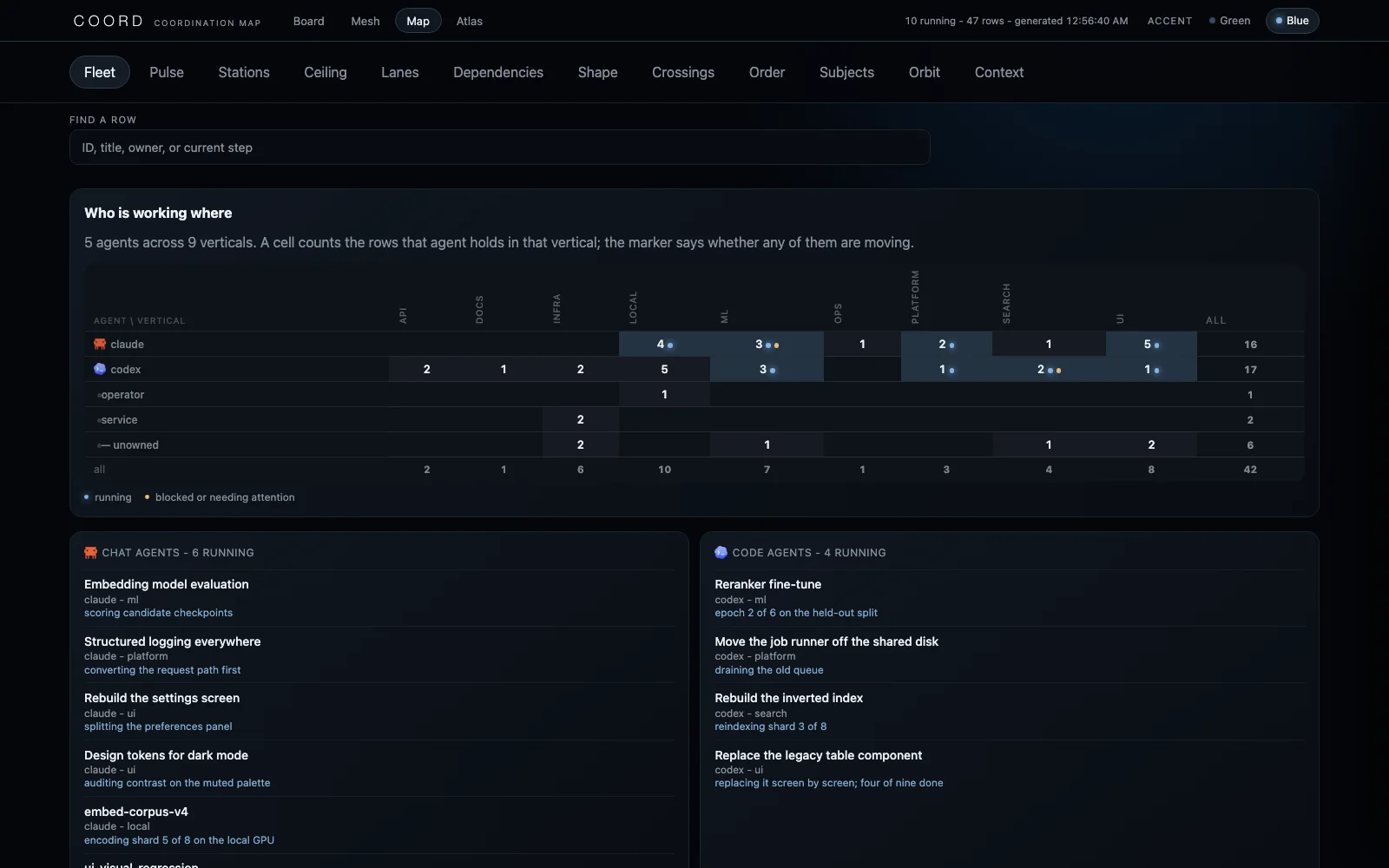
FleetWho is working where?
Policy intelligence / AI systems
Builder of public intelligence dashboards, AI products, legal analytics, and agentic infrastructure.
Featured system
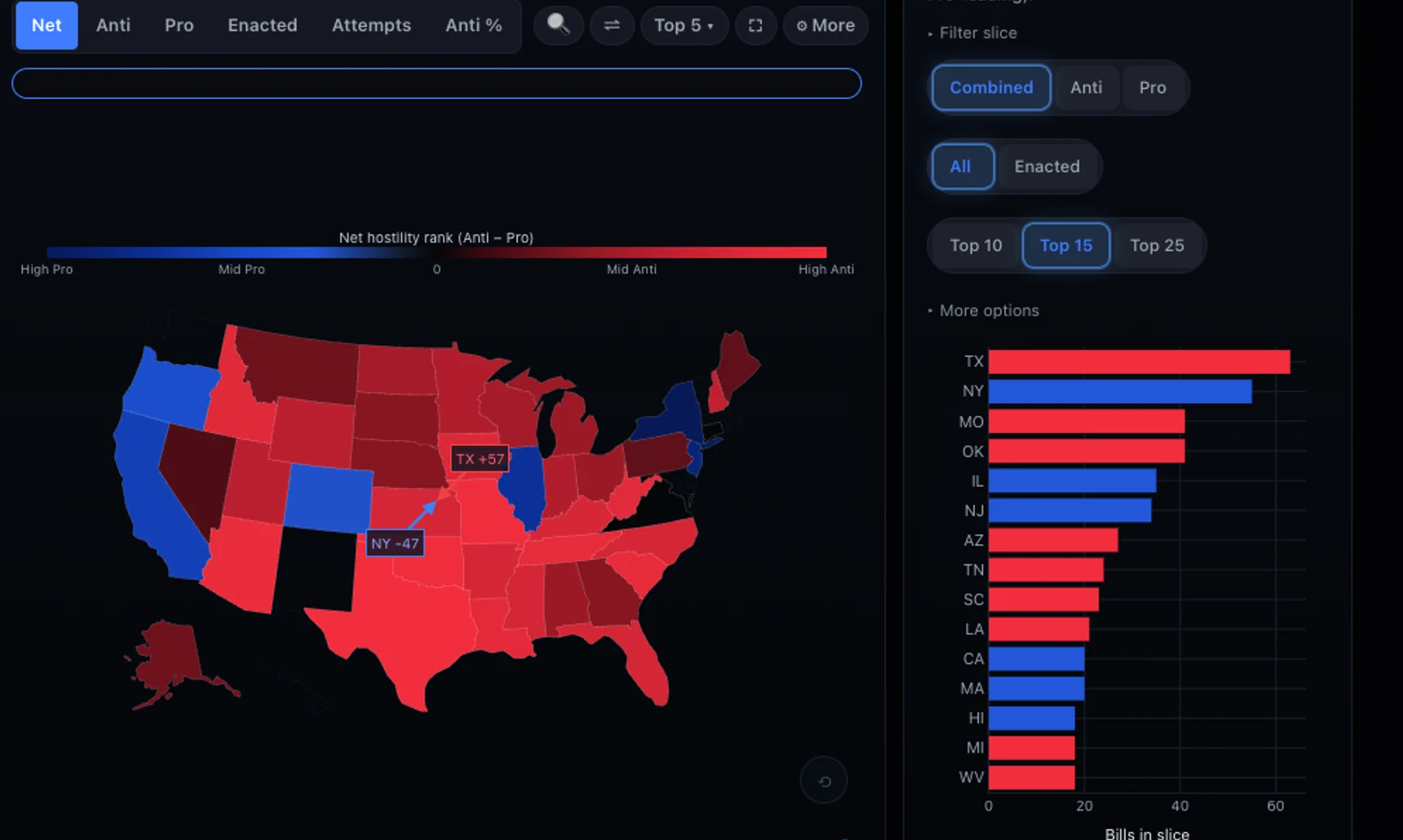
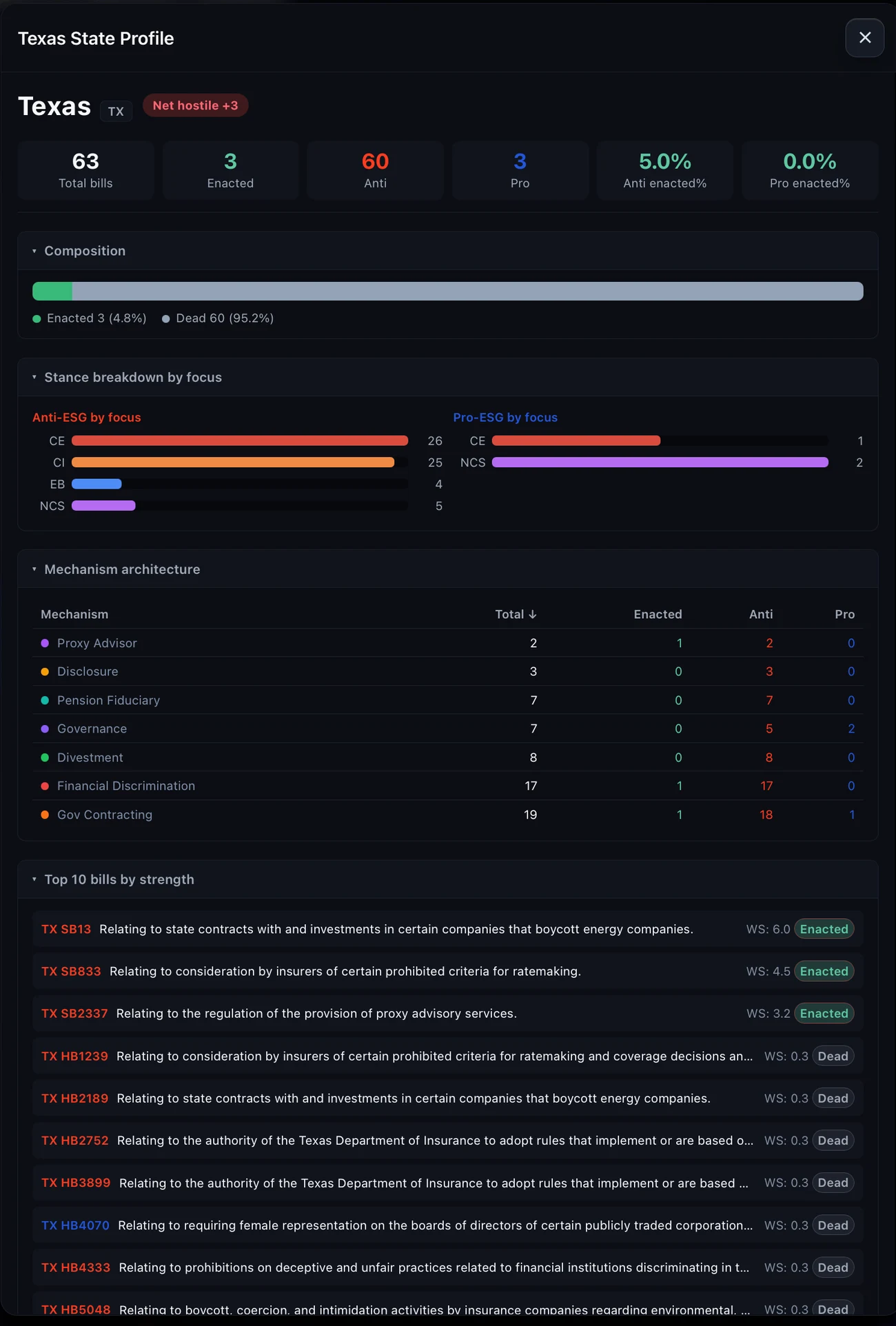
A public dashboard turning state climate and ESG legislation into navigable intelligence.
Selected work
Featured infrastructure / COORD
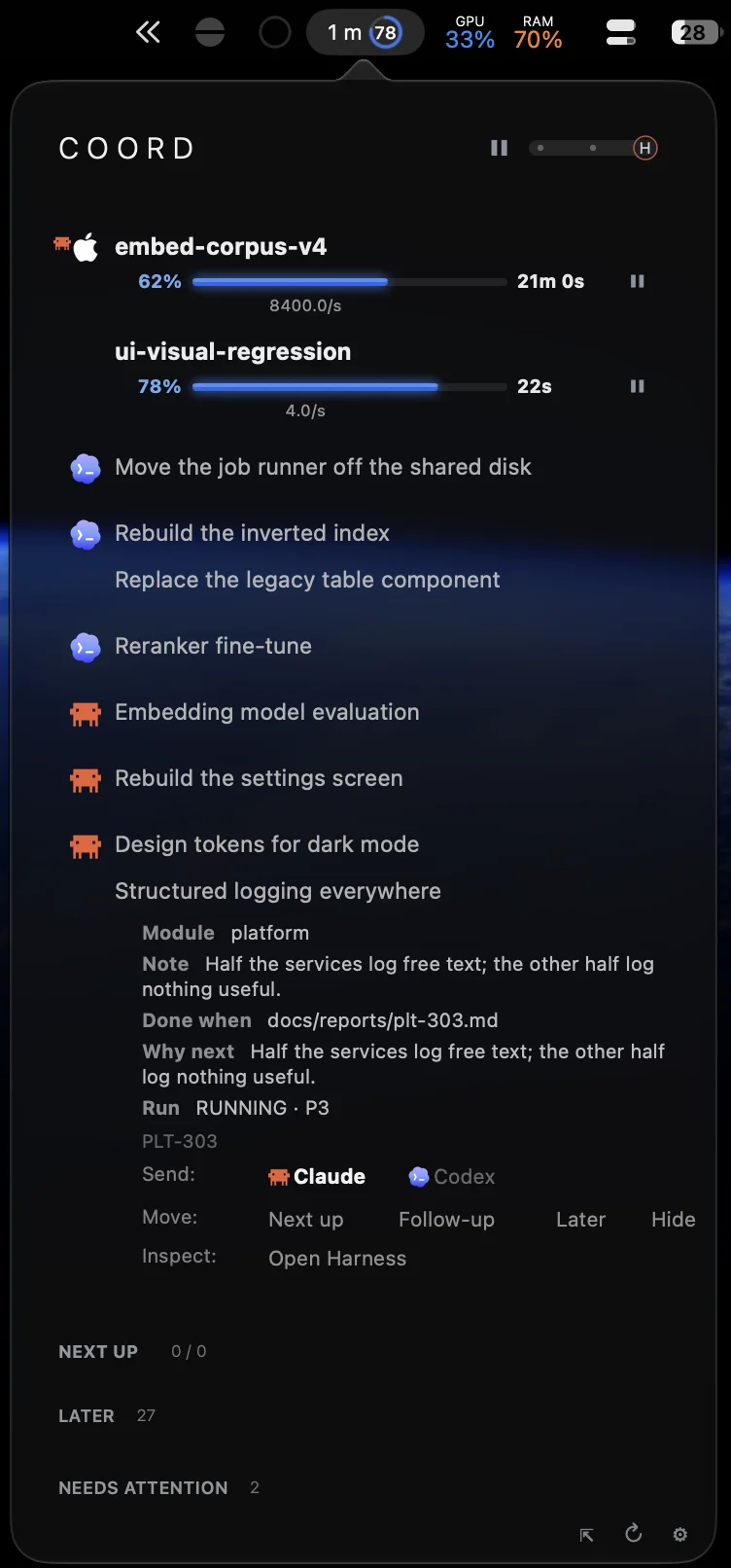
I built COORD, a local-first control plane for Claude, Codex, MCP clients, shell agents, and local model jobs. It lets a fleet claim work without colliding, hand off bounded context, supervise long processes, and finish only when the controller-declared proof exists.
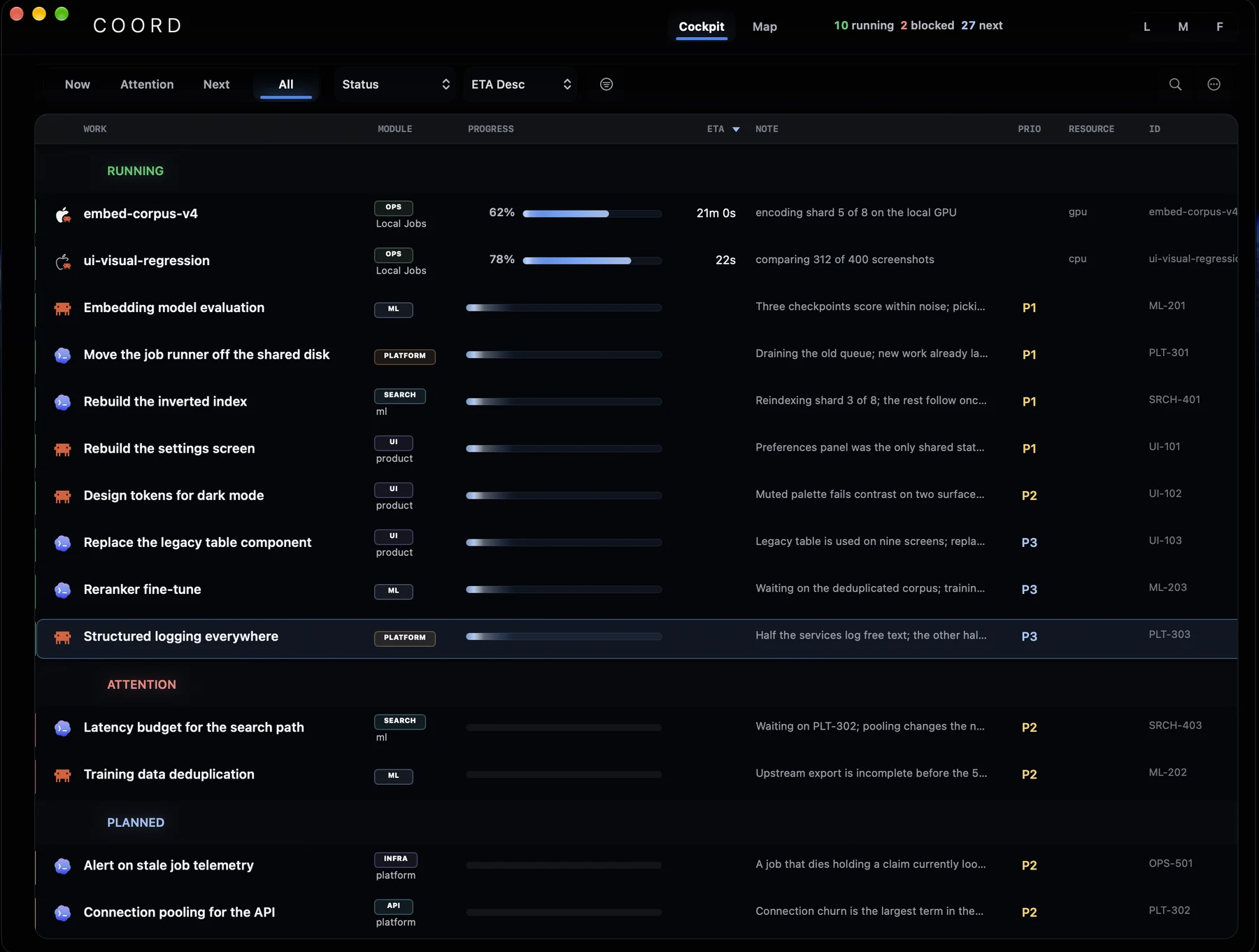 COORD Cockpit · primary operator view · open full resolution ↗
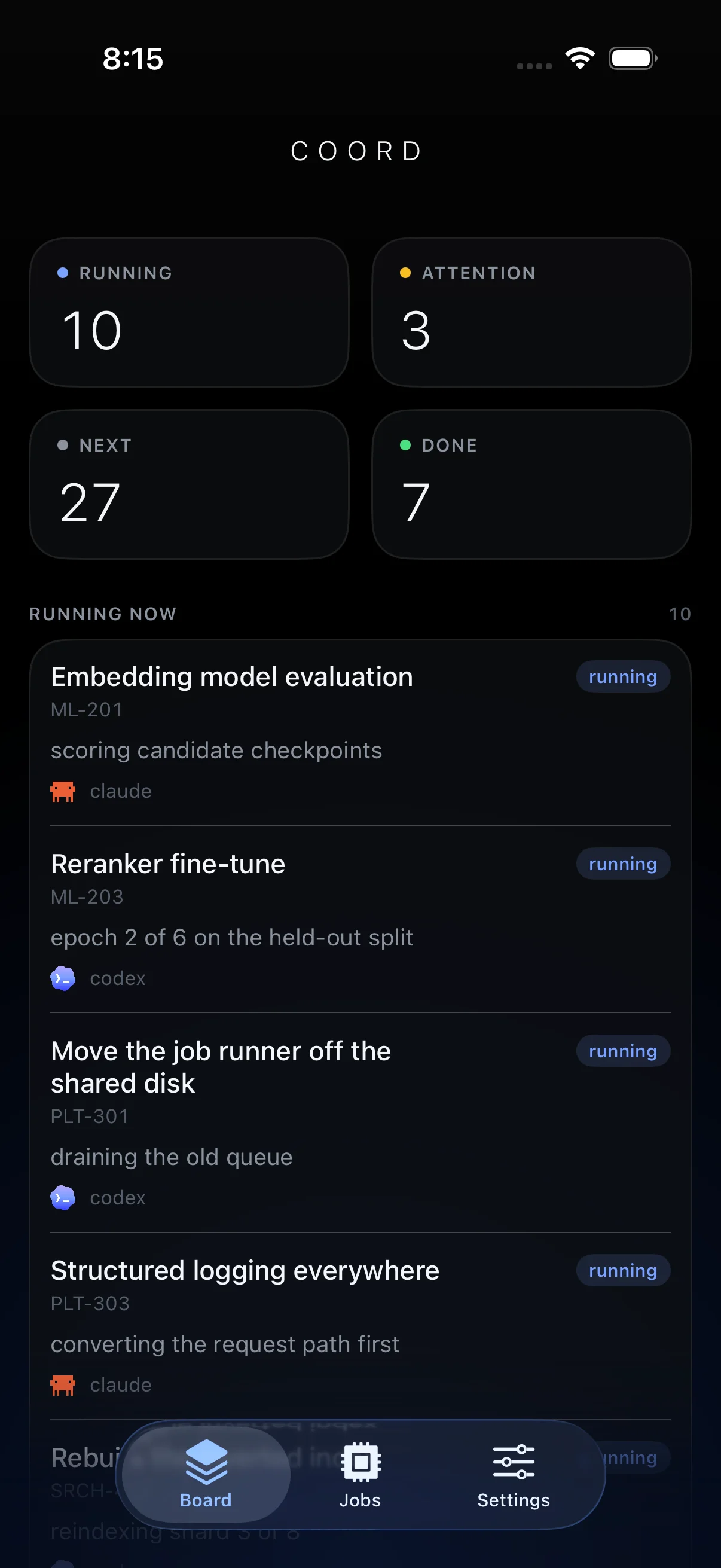
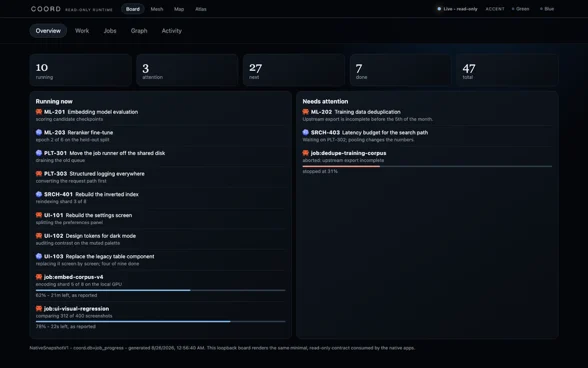 Board overview · open full resolution ↗
The operator surface
Four views share one navigation and one read contract: what needs attention, how the fleet is connected, what is happening across time, and what is structurally actionable in the current generation.
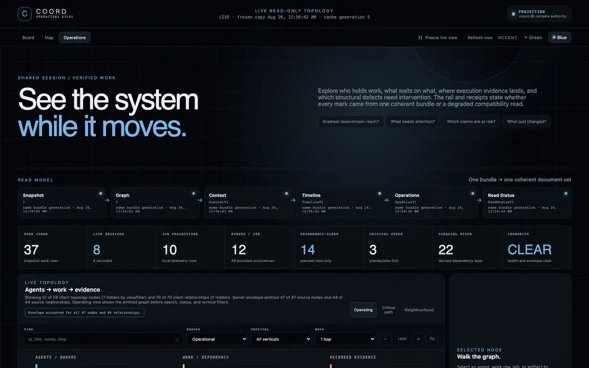 Operations Atlas · open full resolution ↗
The mechanism
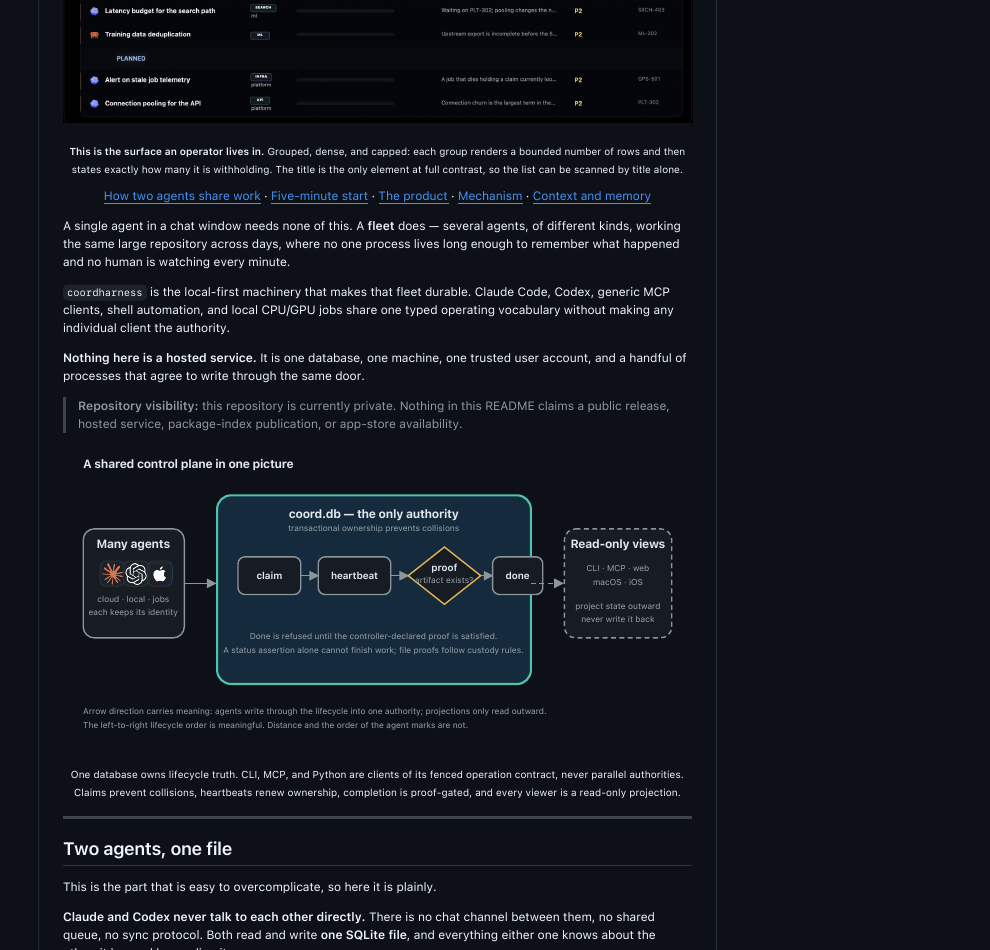
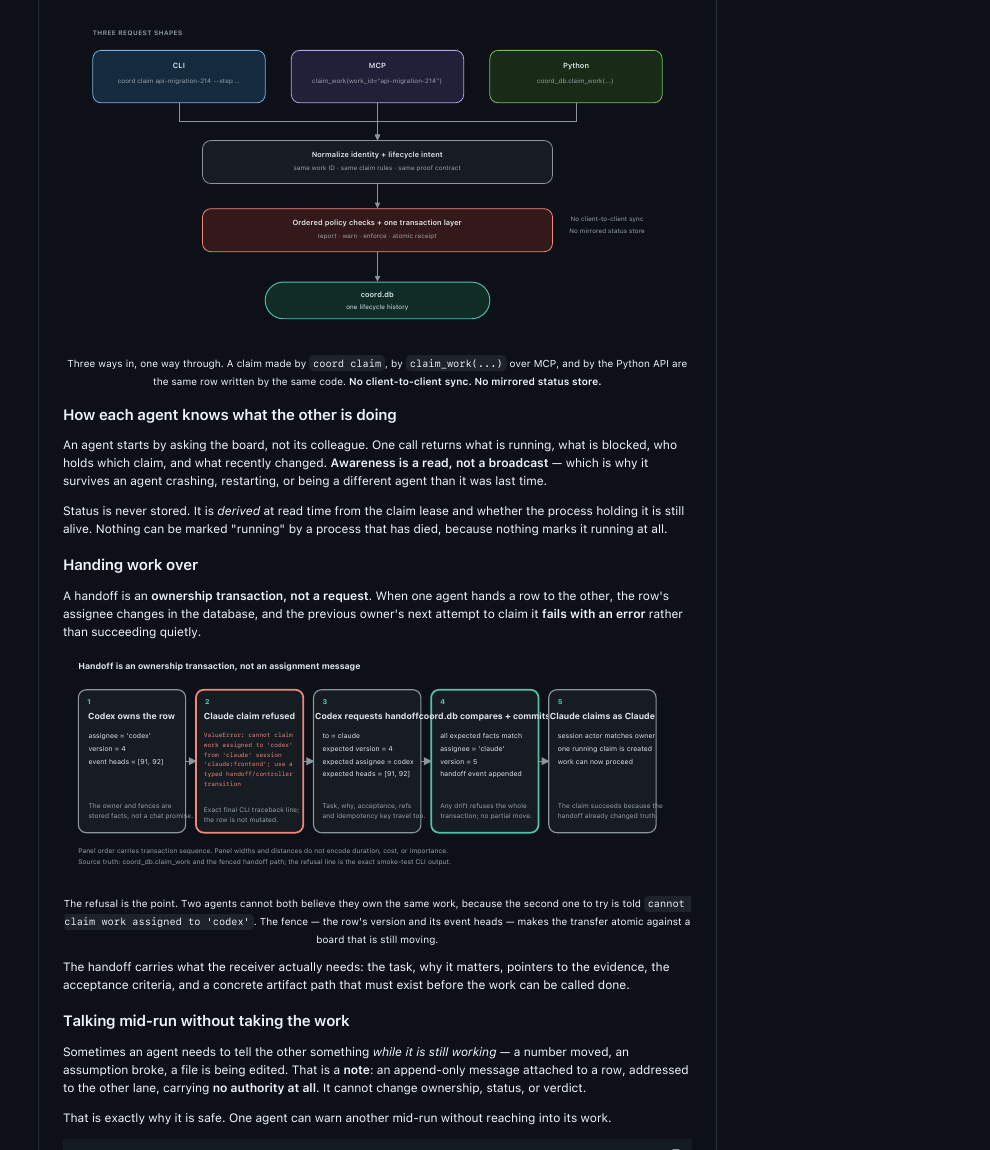
CLI, MCP, and Python requests normalize into the same lifecycle intent and pass the same ordered policy checks. Agents write through one transaction layer; web and native projections only read state outward.
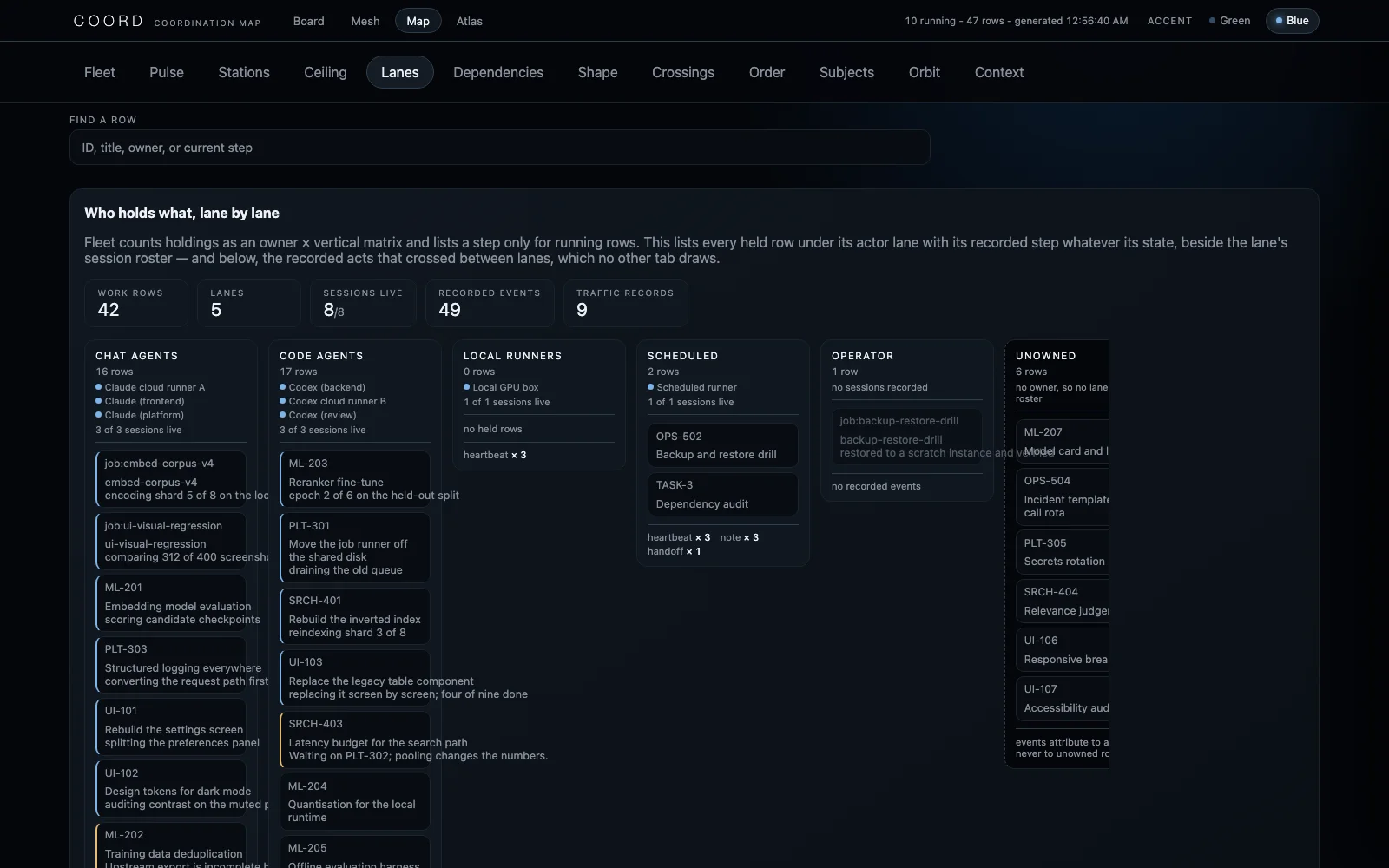
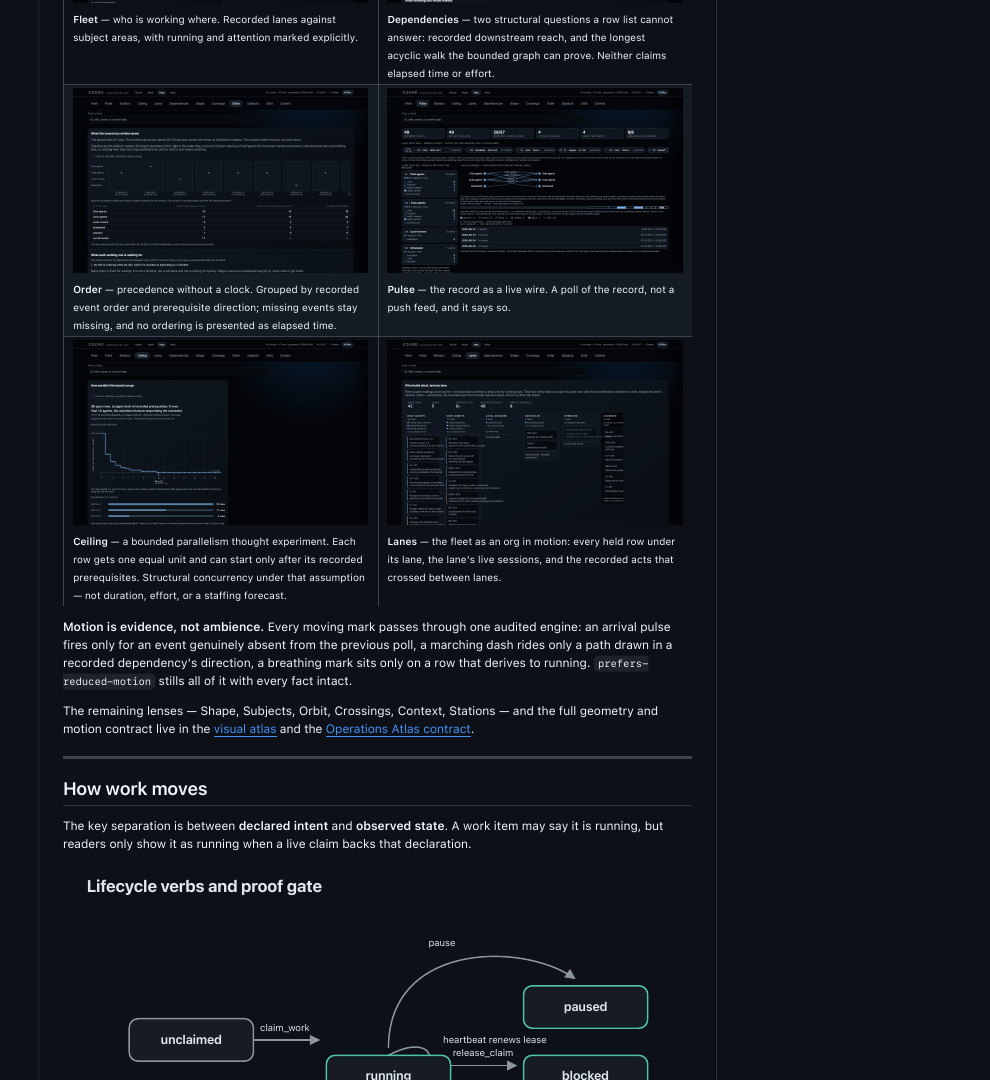
Analytical map / six shipped lenses
These views do not decorate the board. Each answers a bounded operational question and states what its geometry does not mean, so position, order, and distance are never mistaken for facts the data does not carry.
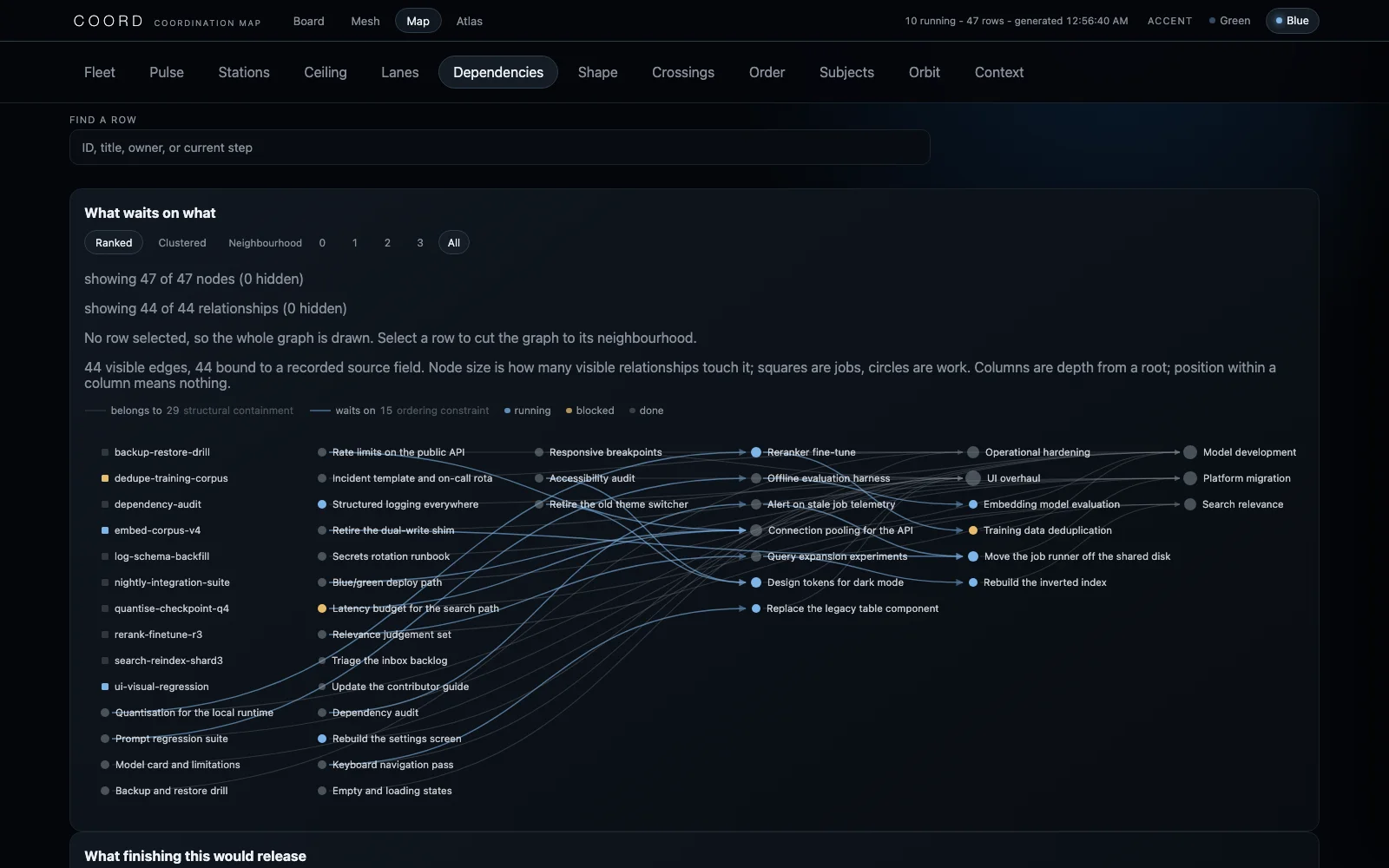
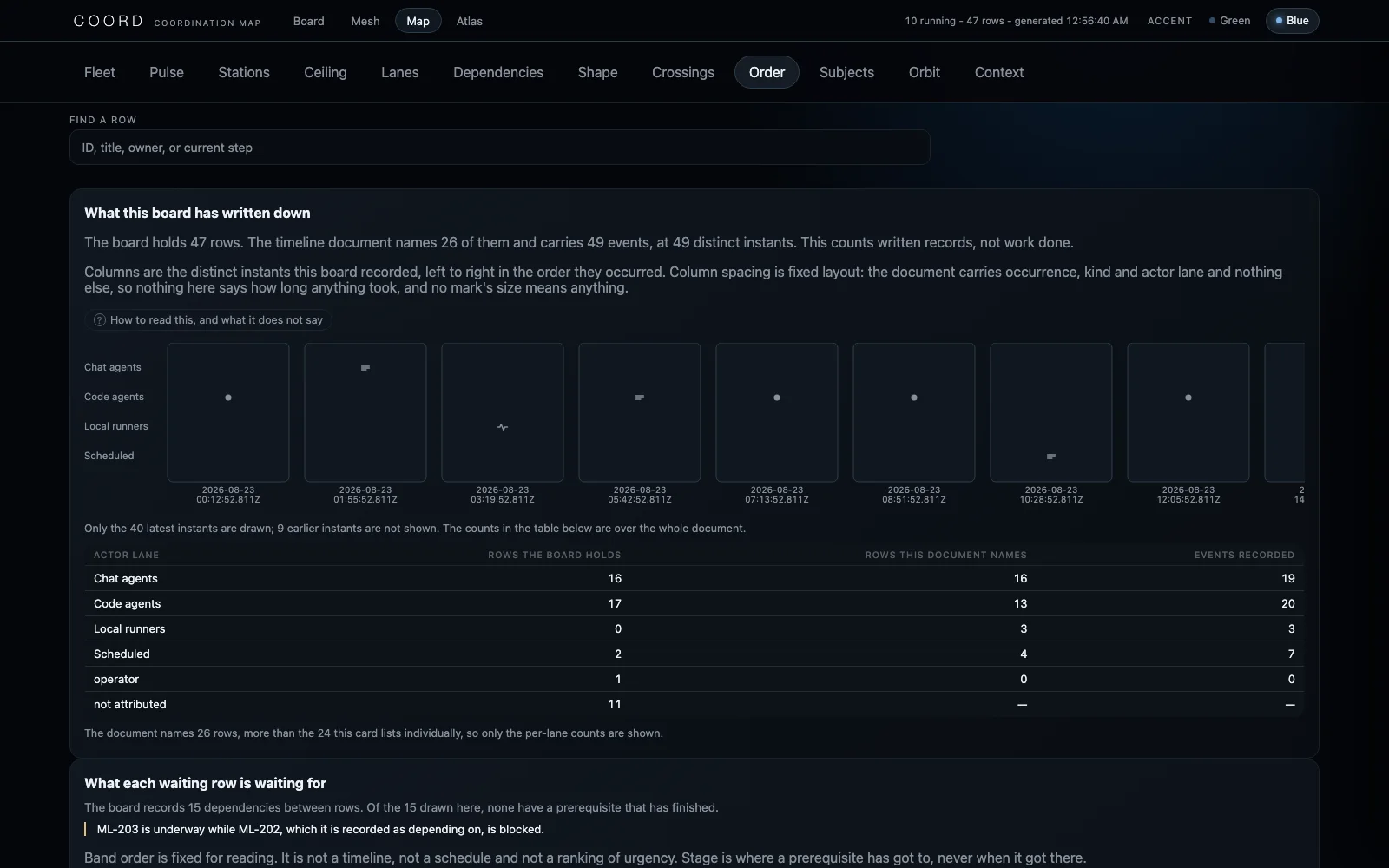
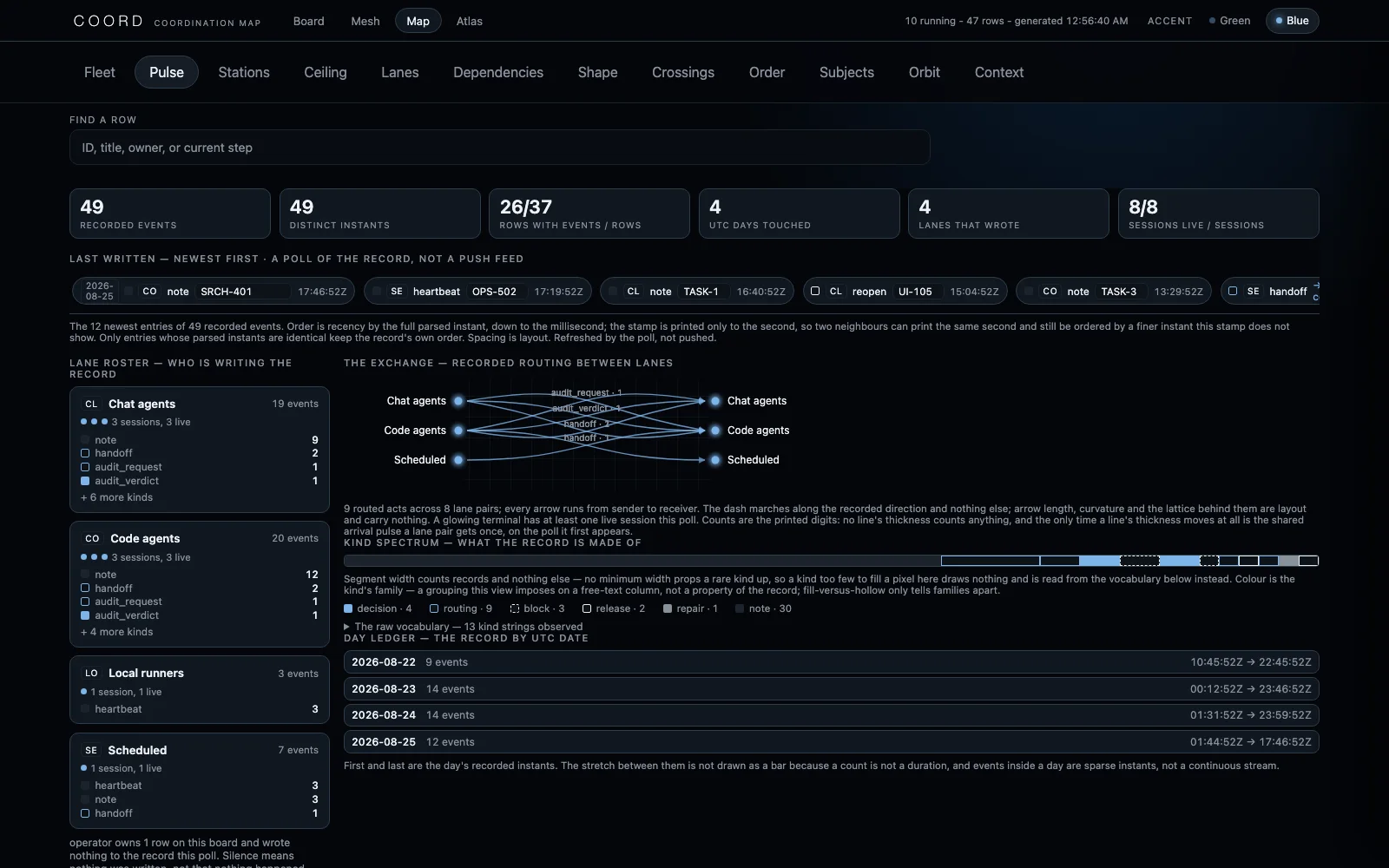
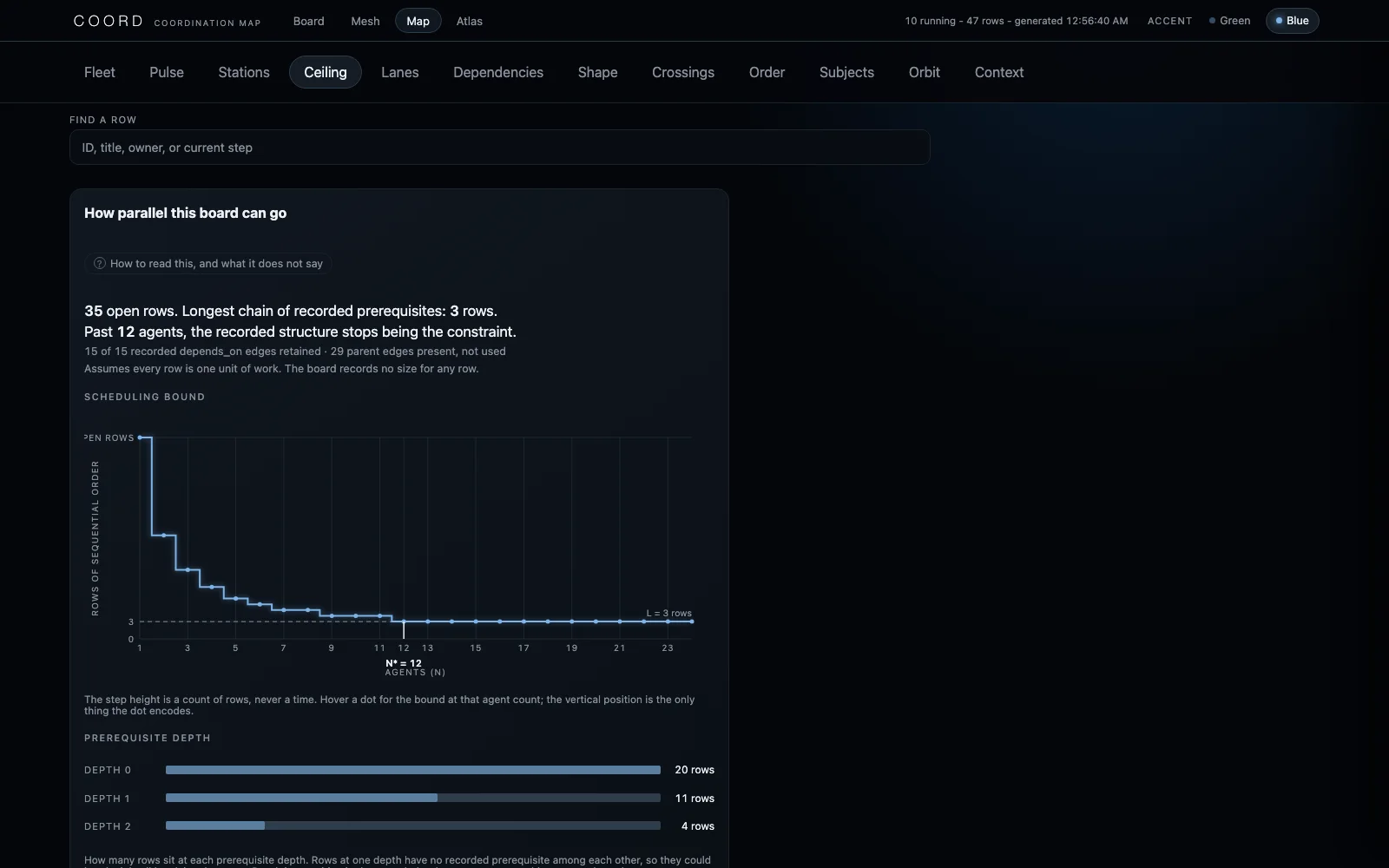
Assignee, row version, and event heads are checked together. Any drift refuses the entire transfer instead of leaving two agents with competing stories.
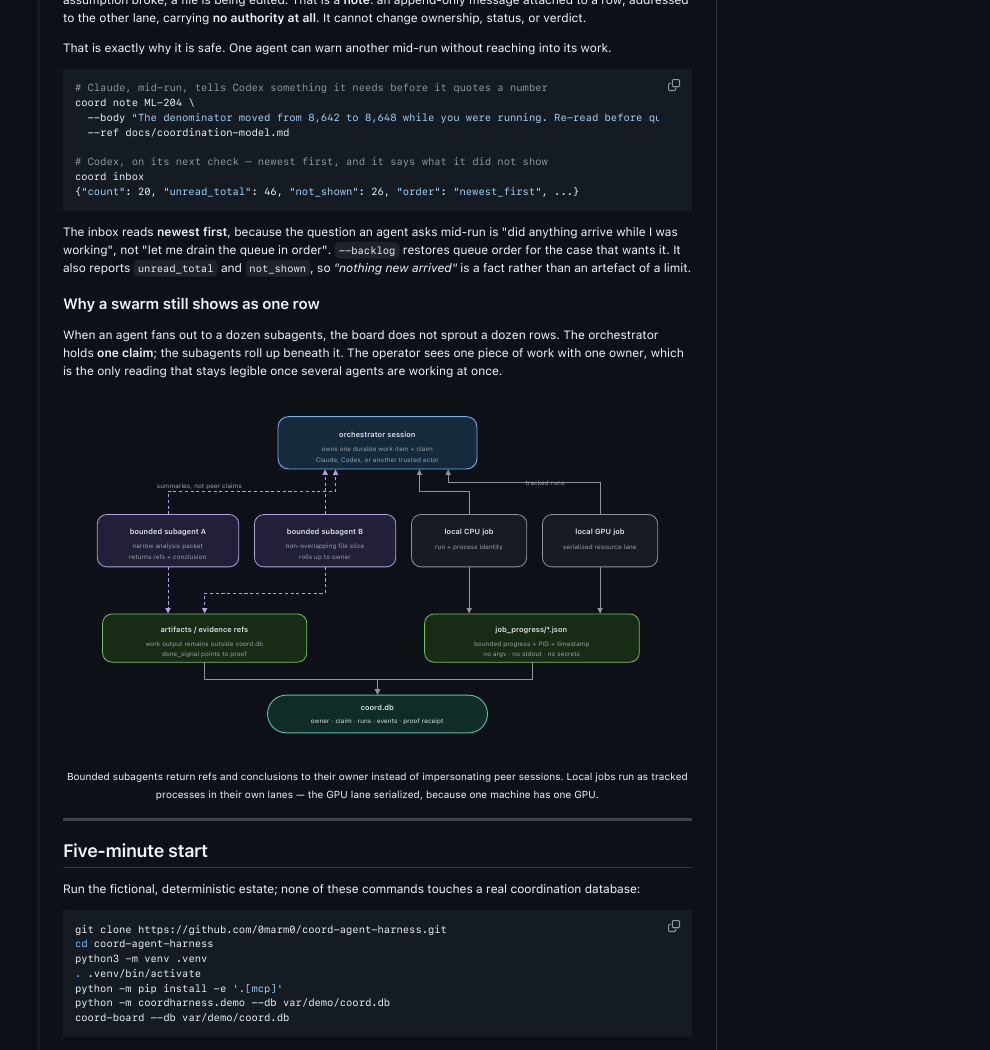
Subagents and tracked CPU or GPU jobs roll up beneath one orchestrator claim, keeping the operator view legible as execution fans out.
Leases, process identity, telemetry, and artifact receipts determine what is running and what can finish. A status message alone cannot close work.
Authority, bounded context, derived retrieval, and recall remain separate planes with explicit custody and freshness rules.
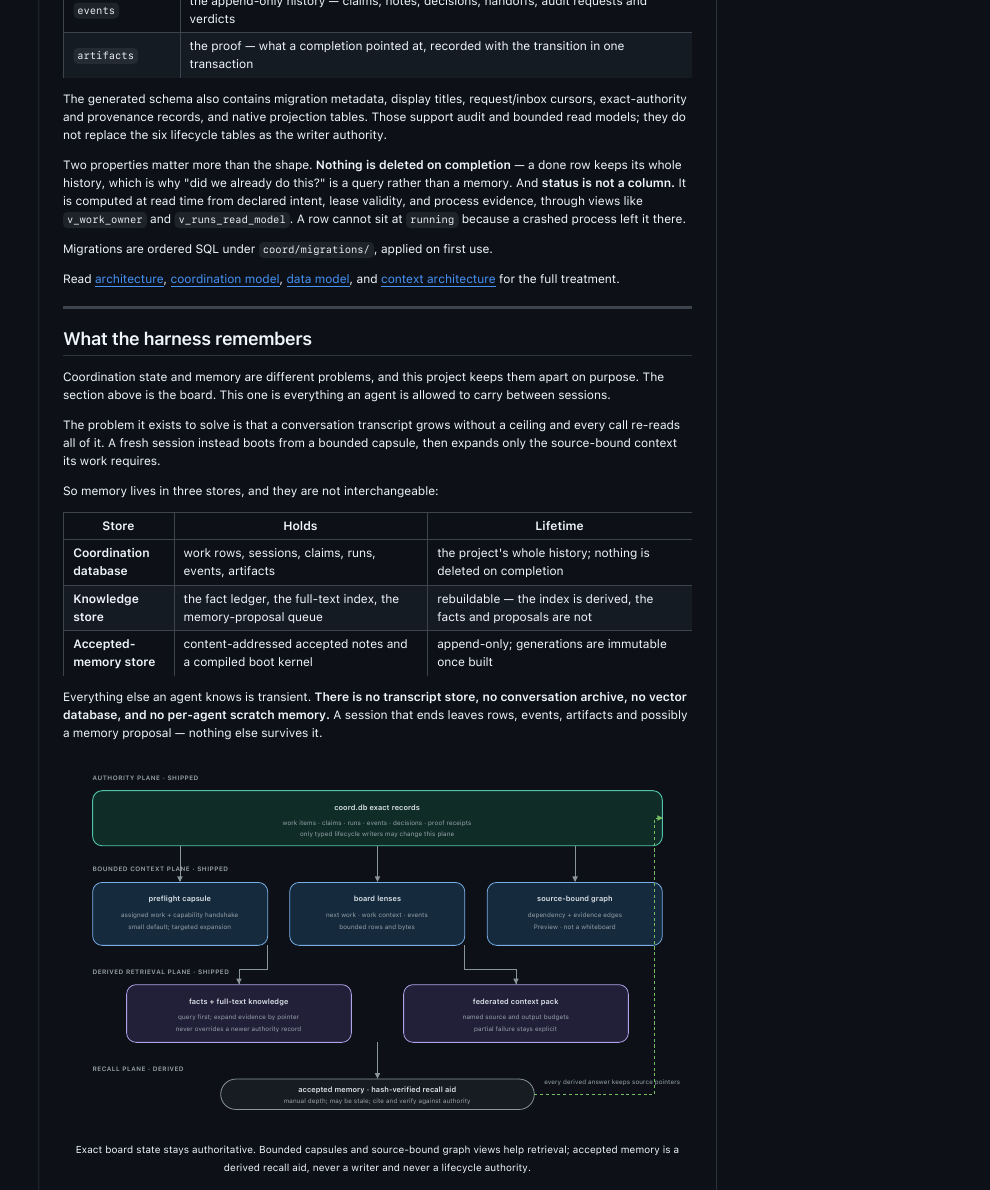
The web control room, macOS cockpit, menu-bar view, and iOS client consume the same read-only status vocabulary.
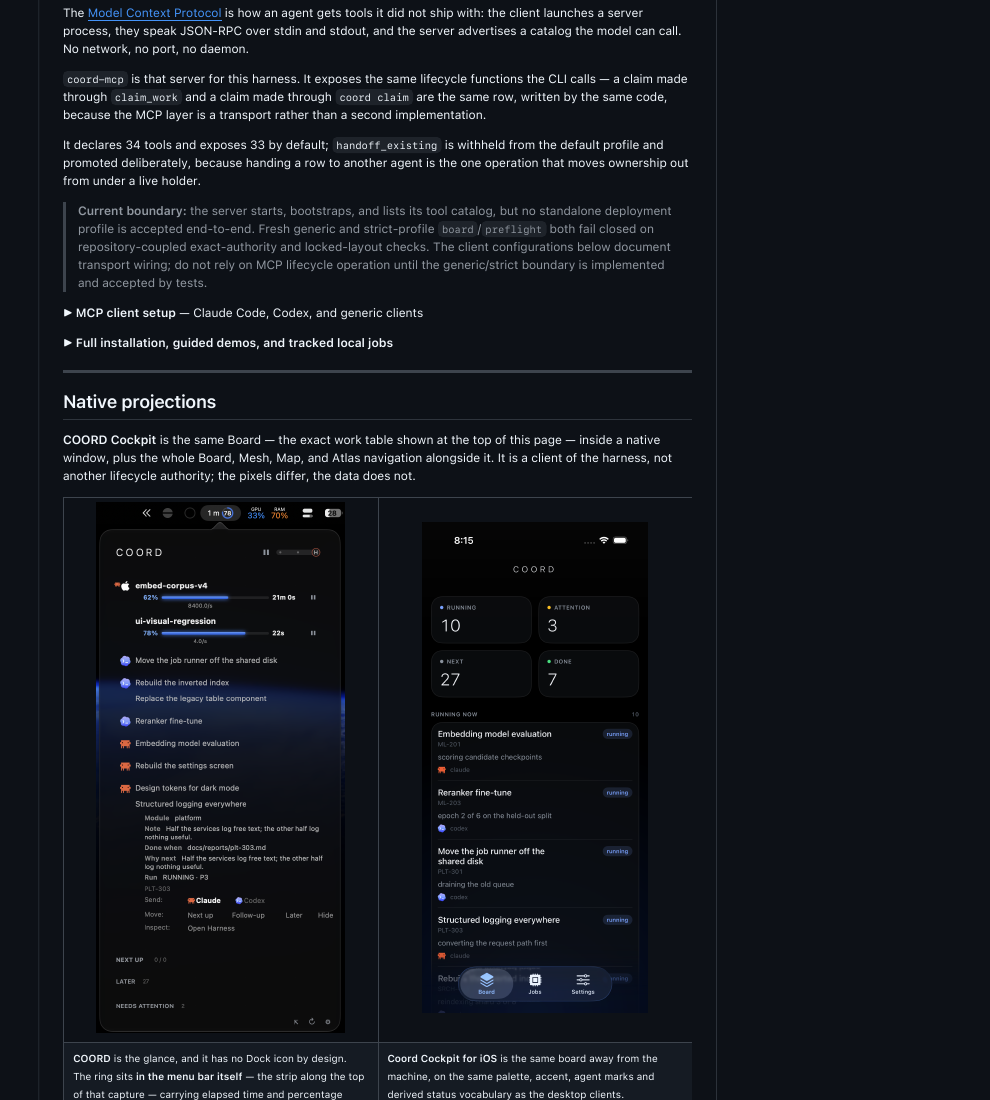
Native projections
The macOS menu-bar surface and iOS client project the same board state without becoming new lifecycle authorities.
Private repository · active development · local-first runtime · MIT license · no hosted-service or public-package claim
Public policy intelligence
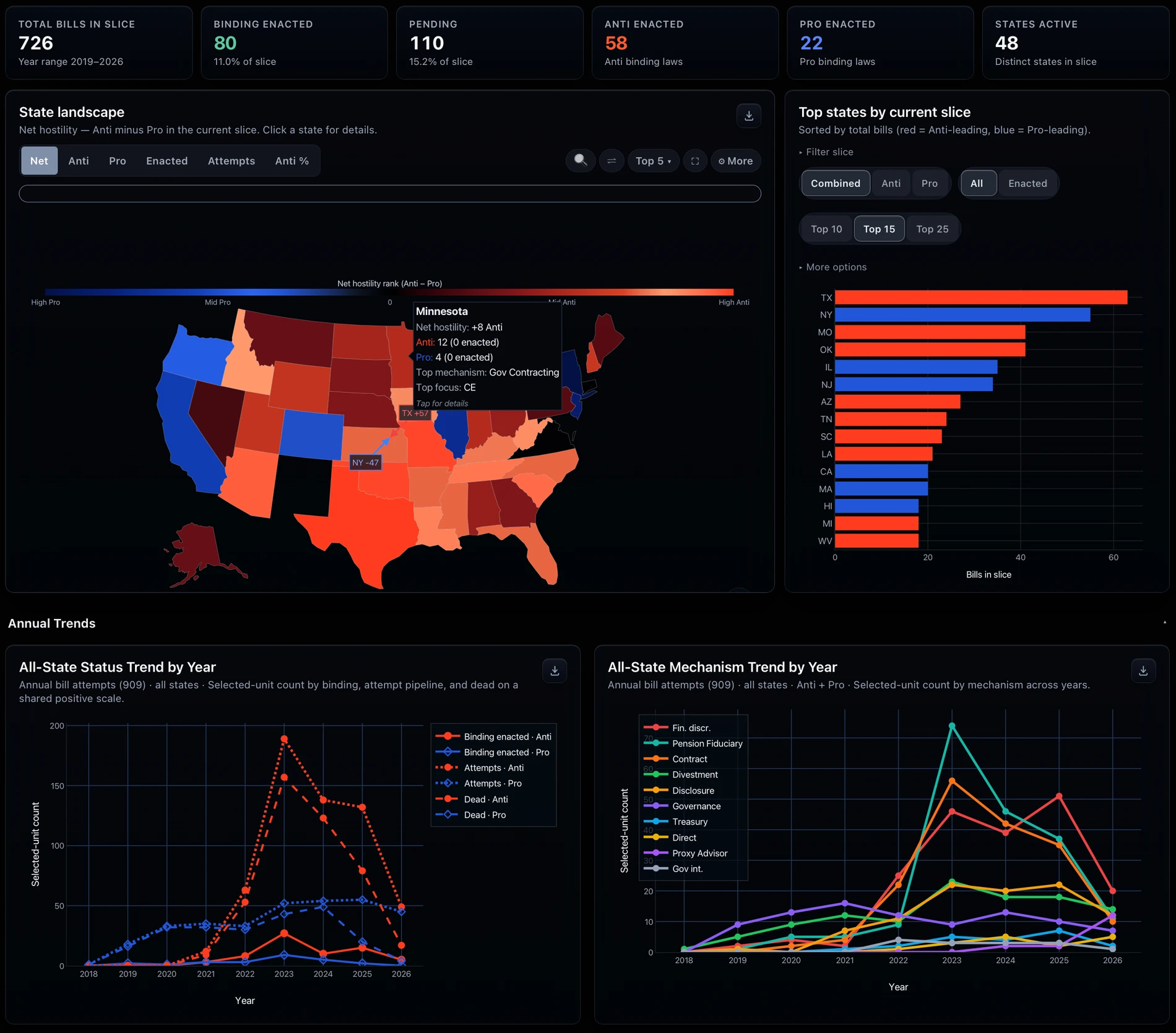
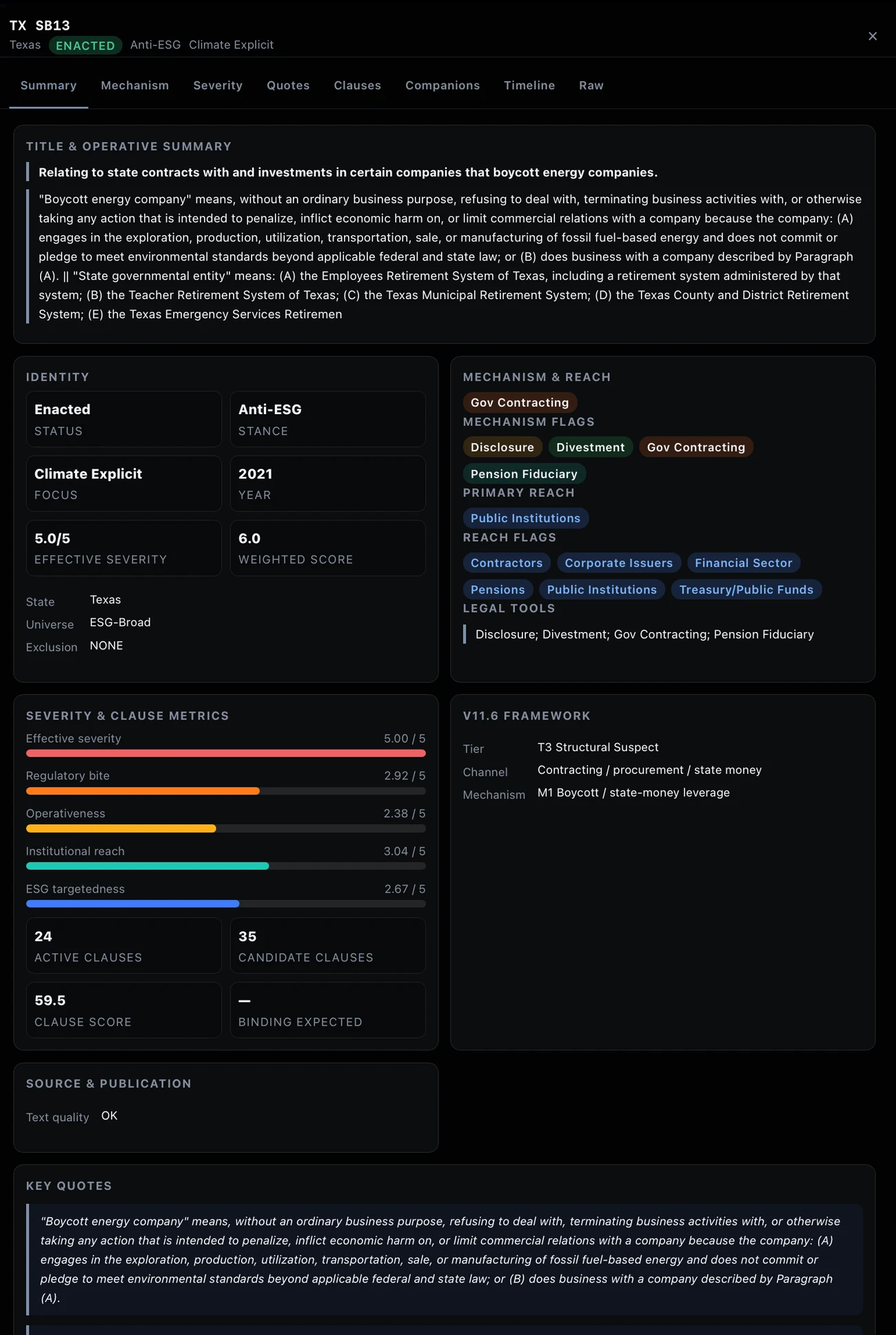
Climate Hostility makes a dense state legislative landscape legible through a national map, policy filters, status cuts, trend lines, mechanism charts, topic flows, representative bills, and export controls.
Native AI product
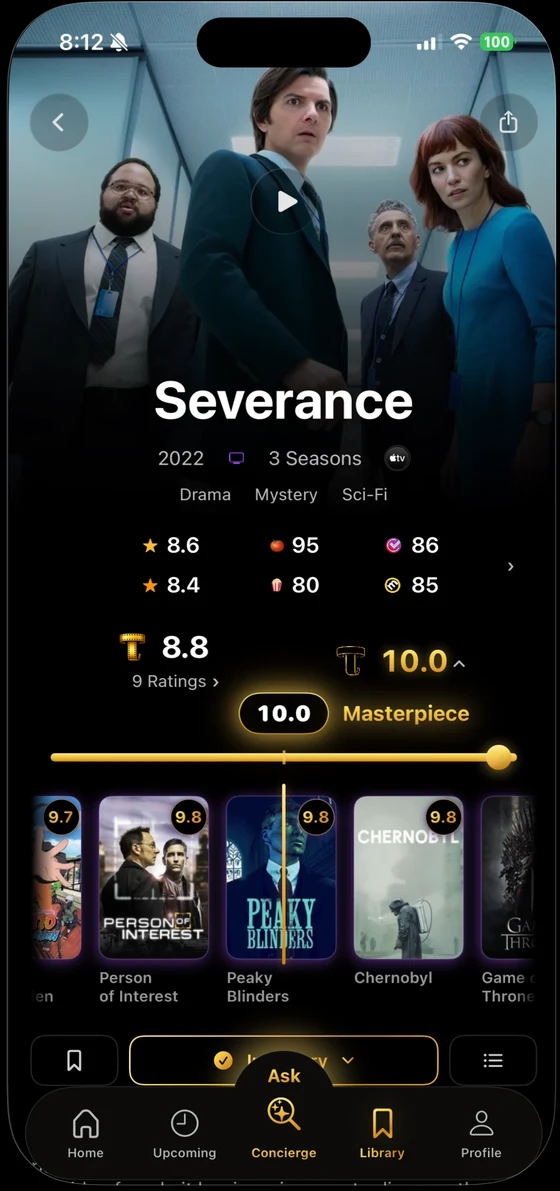
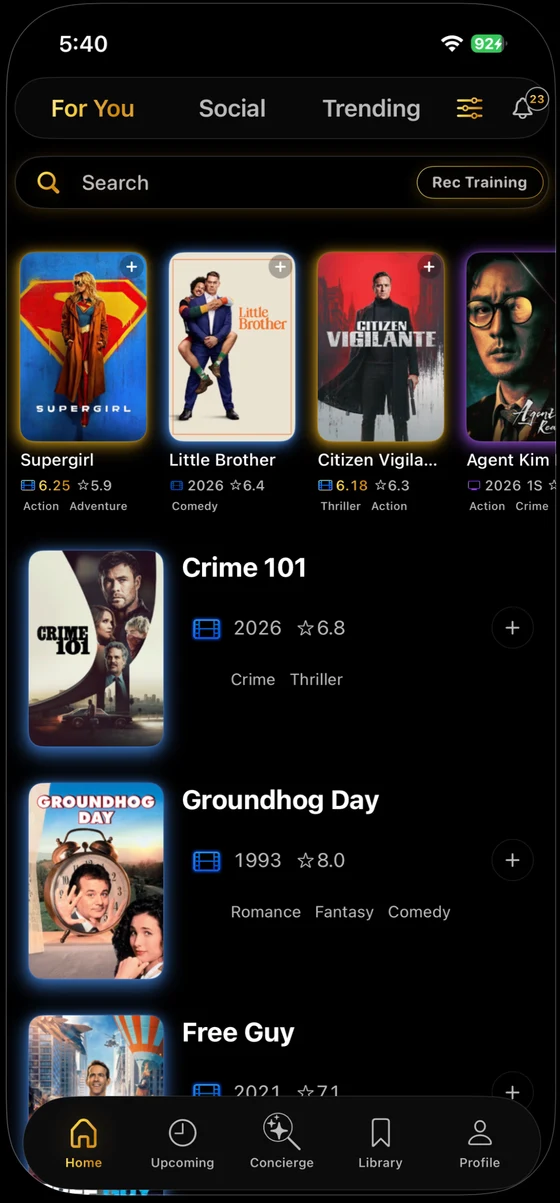
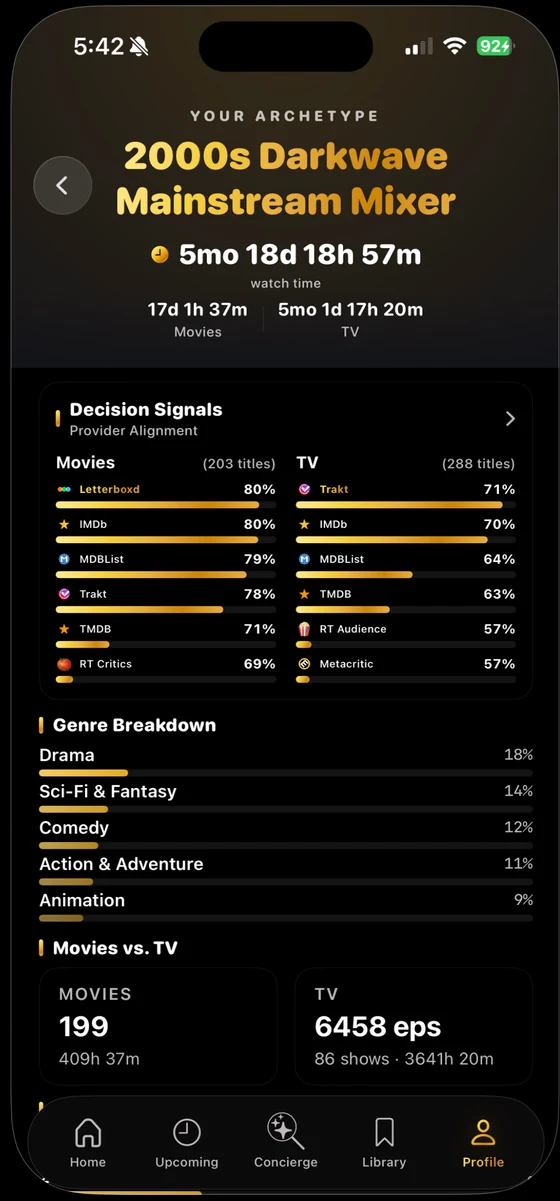
Telly is built around the premise that recommendations should know what you actually watch. The product combines a SwiftUI iOS experience, Ask Telly/Concierge search and recommendation flows, taste scoring, and a serverless AWS backend.

Legal prediction system
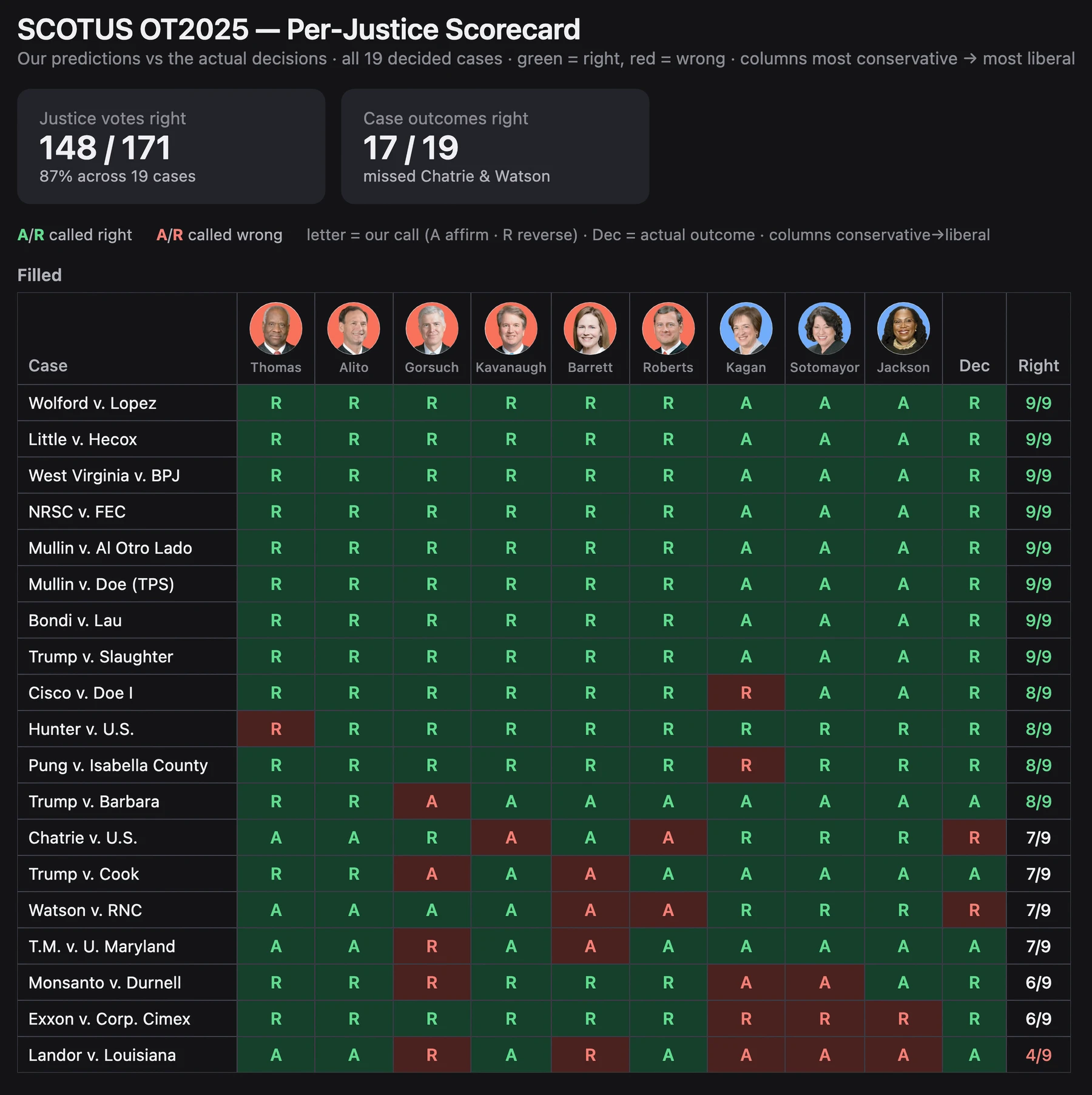
A per-justice Supreme Court prediction model scored against all decided cases from the OT2025 session.
Scholarship
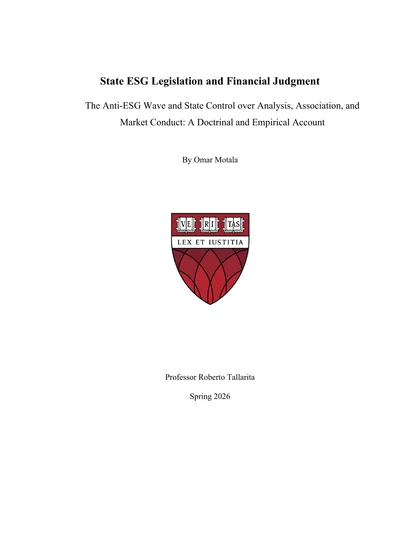
Harvard Law research paper / companion to the ESG dashboard
A doctrinal and empirical account of the anti-ESG wave and state control over analysis, association, and market conduct.
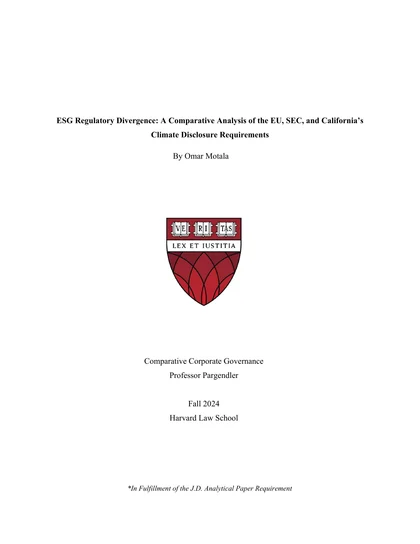
Harvard Law research paper / genesis of the dashboard work
A comparative analysis of climate disclosure requirements across major regulatory regimes and their implications for corporate governance.
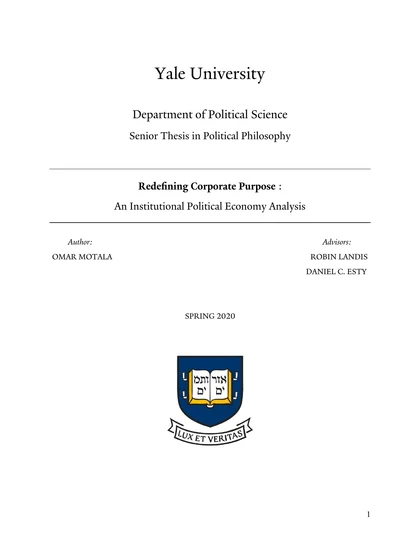
Yale thesis
An institutional political economy analysis of corporate purpose, market institutions, and the public architecture around firm behavior.
What I build
Native app surfaces, recommendation loops, taste models, and interfaces that make model behavior usable.
Policy and legislative data shaped into maps, filters, trends, evidence, and exportable public infrastructure.
Research workflows grounded in legal reasoning, policy taxonomy, citations, and decision-useful evidence.
Claims, handoffs, job telemetry, local execution lanes, audit loops, and durable shared state for autonomous work.
About
Omar builds real software across AI product, public data, legal analytics, and agentic infrastructure. Yale and Harvard Law sit behind the work, but the through-line is shipping systems that make complicated domains easier to reason about and act on.